Beginner
Anatomy of the State
A short, sharp essay on the nature of the state. Available free as a PDF from the Mises Institute.
View on Amazon (affiliate link, opens in a new window) * Affiliate link

Books
A short, sharp essay on the nature of the state. Available free as a PDF from the Mises Institute.
View on Amazon (affiliate link, opens in a new window) * Affiliate link
The program of a free society, concise and clear; an ideal way to get to know Mises firsthand.
View on Amazon (affiliate link, opens in a new window) * Affiliate link
Why a planned economy and liberty do not go together, and why well-meant economic control ends in coercion.
View on Amazon (affiliate link, opens in a new window) * Affiliate link
The philosophical answer to Rawls: how much state can be justified at all?
View on Amazon (affiliate link, opens in a new window) * Affiliate link
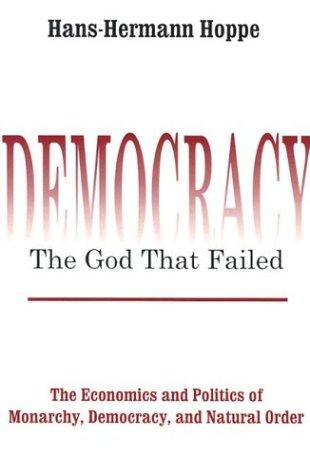
For advanced readers who want to question the state at its root. Provocative, dense, and far-reaching.
View on Amazon (affiliate link, opens in a new window) * Affiliate link
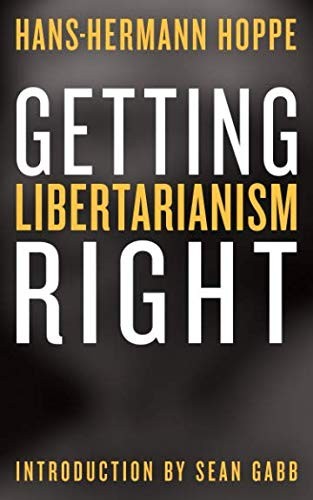
Hans-Hermann Hoppe explains what libertarianism really means, and why the answer may surprise some readers.
View on Amazon (affiliate link, opens in a new window) * Affiliate link
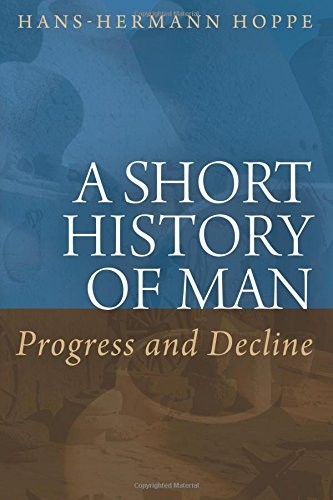
Hans-Hermann Hoppe retells the history of humankind, from the emergence of the family to the modern state, and asks what we can rightly call progress along the way.
View on Amazon (affiliate link, opens in a new window) * Affiliate link
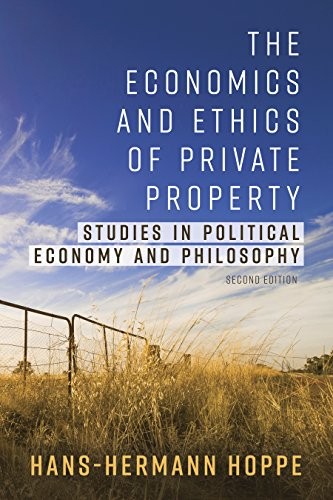
Hans-Hermann Hoppe combines economic theory and philosophy into a consistent defense of private property, as both an ethical foundation and an engine of prosperity.
View on Amazon (affiliate link, opens in a new window) * Affiliate link
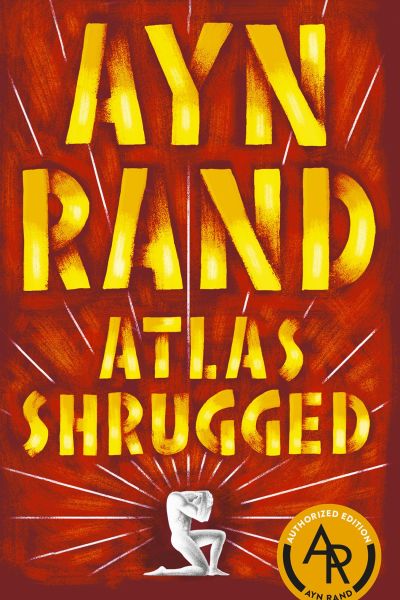
An economy collapses and its best minds vanish without a trace: Ayn Rand's novel of the century asks what happens when the creators leave the stage.
View on Amazon (affiliate link, opens in a new window) * Affiliate link
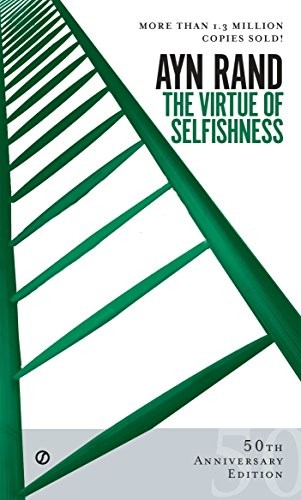
Ayn Rand advances the provocative thesis that self-interest consistently grounded in reason is not a moral weakness but the foundation of a free life.
View on Amazon (affiliate link, opens in a new window) * Affiliate link
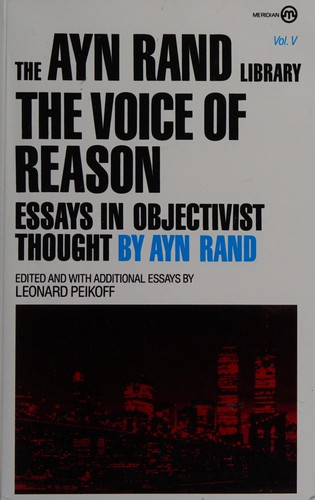
Ayn Rand sets out her philosophy of Objectivism in essays, from epistemology to ethics to the question of why capitalism is more than an economic system.
View on Amazon (affiliate link, opens in a new window) * Affiliate link
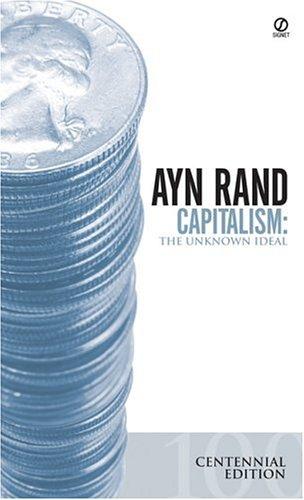
Ayn Rand and her allies explain why capitalism not only works but is also the only moral economic system.
View on Amazon (affiliate link, opens in a new window) * Affiliate link
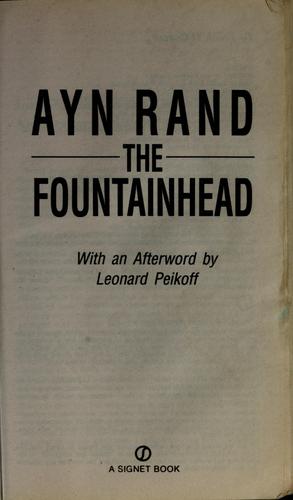
Howard Roark builds by his own rules, or not at all. Ayn Rand’s novel about individualism and creative power is as uncompromising as its hero.
View on Amazon (affiliate link, opens in a new window) * Affiliate link
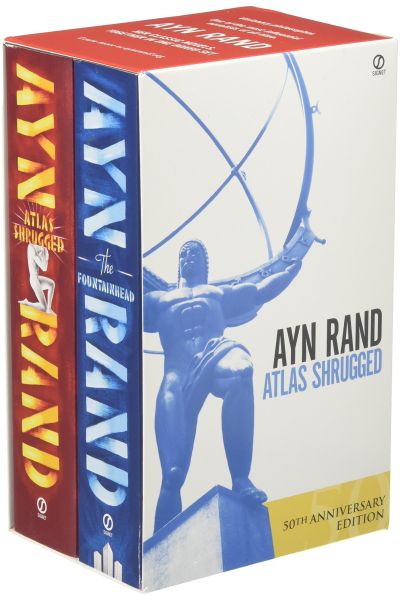
Two novels that ask one question: What happens when the people who carry a society stop playing along, and why do they carry it in the first place?
View on Amazon (affiliate link, opens in a new window) * Affiliate link
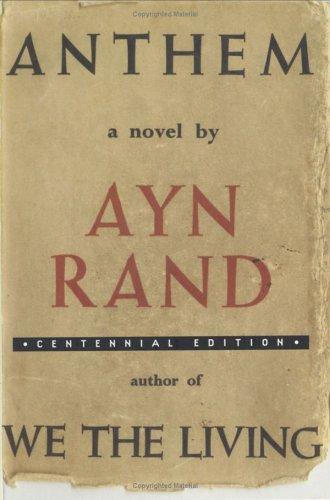
In a world without the word “I,” one man fights for his very existence as an individual: Ayn Rand’s uncompromising hymn to the human spirit.
View on Amazon (affiliate link, opens in a new window) * Affiliate link
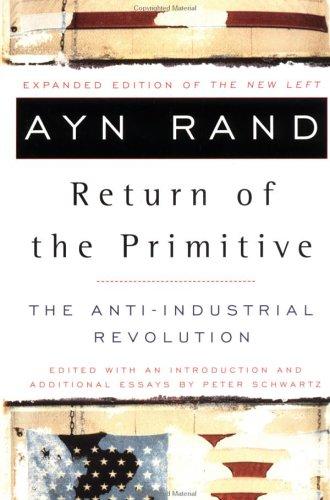
Ayn Rand analyzes the roots of hostility to technology and industry and shows which ideas lie behind it.
View on Amazon (affiliate link, opens in a new window) * Affiliate link
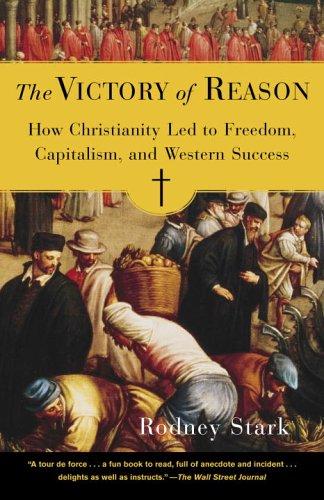
Rodney Stark does away with the cliché of the “Dark Ages” and shows how Christian theology laid the foundation for rational economic activity and capitalist liberty.
View on Amazon (affiliate link, opens in a new window) * Affiliate link
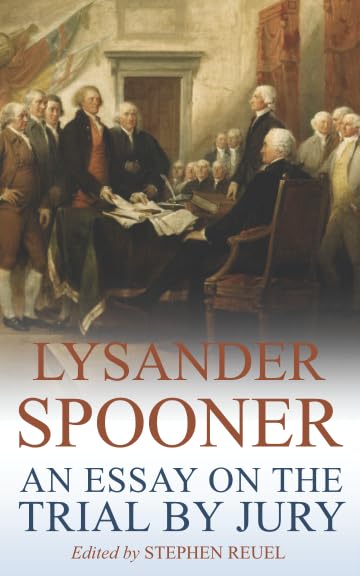
Lysander Spooner shows why the jury must judge not only the facts but the law itself, and what that means for the liberty of every individual.
View on Amazon (affiliate link, opens in a new window) * Affiliate link
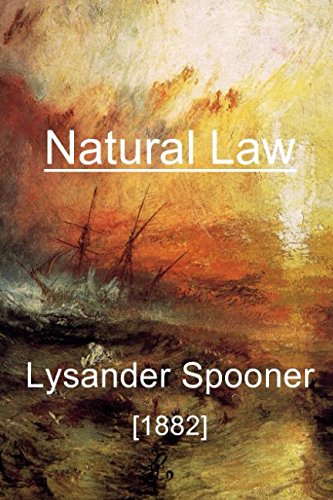
Lysander Spooner asks what law really is and arrives at an answer that strictly separates government statutes from moral justice.
View on Amazon (affiliate link, opens in a new window) * Affiliate link
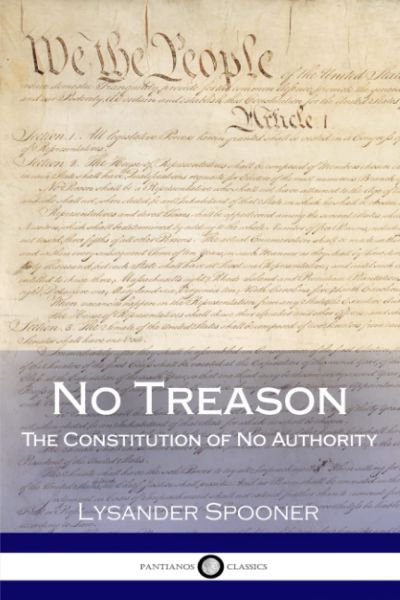
Lysander Spooner asks whether a constitution that no one has personally agreed to can be binding at all, an uncomfortable question with far-reaching consequences.
View on Amazon (affiliate link, opens in a new window) * Affiliate link
Why did Christianity prevail in the Roman Empire? Rodney Stark answers this question not with theology but with social science, and arrives at surprising conclusions.
View on Amazon (affiliate link, opens in a new window) * Affiliate link
Rodney Stark examines ten deeply rooted beliefs about the Catholic Church and asks how much of them holds up historically.
View on Amazon (affiliate link, opens in a new window) * Affiliate link
How did Hitler really think? From speeches, writings, and notes, Rainer Zitelmann reconstructs the worldview of one of the most consequential criminals in history.
View on Amazon (affiliate link, opens in a new window) * Affiliate link

2075: An equality movement declares beauty a social injustice and draws consequences no one would have thought possible.
View on Amazon (affiliate link, opens in a new window) * Affiliate link